Protocols have been activated to mitigate the possible entry of bird flu into Jamaica.
The Ministry of Agriculture, Fisheries and Mining’s Veterinary Services Division (VSD) has activated protocols to mitigate the possible entry of bird flu into Jamaica, following confirmation of the disease in the Cayman Islands in late November this year. The outbreak involved both wild and domesticated birds on a single farm.
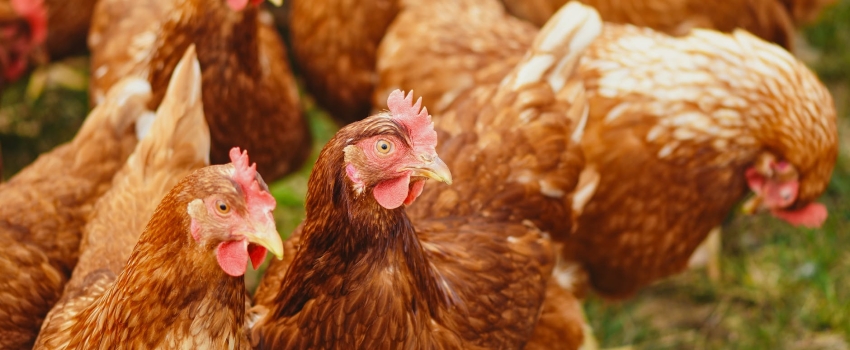
The Highly Pathogenic Avian Influenza (H5N1), commonly known as bird flu, affects a wide range of mammals, including humans. In most species, the illness presents with signs typical of influenza infections: coughing, nasal discharge, lethargy, loss of appetite, fever, and conjunctivitis. In birds, sudden death may be the only indication of infection; other signs may include reduced egg production and swelling of the wattles and combs.
To date, there have been no reports of bird flu in Jamaica. Robust surveillance measures remain in place to monitor wild birds and domestic poultry, ensuring the continued safety of our borders. Importation of live poultry and poultry products/by-products without permits from the VSD is strictly prohibited.
In support of these mitigation efforts, the Ministry today convened a meeting with poultry industry stakeholders to discuss the situation and to strengthen surveillance, preparedness, and response mechanisms. The objective is to safeguard health, food security and ensure business continuity should bird flu be detected locally.
Additionally, the public is urged to:
• Avoid handling wild birds or their feathers/droppings, particularly during migration, as birds may carry the virus without showing signs of infection.
• Prevent wild birds from coming into contact with domestic birds such as chickens, turkeys, geese, ducks, and pet birds.
• Report suspicious bird deaths to the Ministry of Agriculture, Fisheries and Mining, Veterinary Services Division (Tel: 977-2489 / 977-2492) and to NEPA.
• Maintain strict biosecurity measures when working with poultry and poultry products.
• Observe animals for signs of respiratory illness and seek veterinary advice promptly.
• Keep pets away from sick birds and refrain from handling them.
• Wear masks when experiencing respiratory infections with flu-like symptoms.
• Avoid entering poultry operations after returning from overseas locations where contact with wild birds or known infected sources may have occurred.
The primary risks for the introduction of bird flu into Jamaica at this time include the migration of wild birds, the illegal importation of live birds or other infected animals, the illegal importation of poultry products, and travel by infected humans, as well as contamination via footwear and clothing.
The virus can spread through contact with bird droppings, feathers, undercooked or uncooked poultry, and infected animals. While transmission from humans to humans, and from humans to animals, is uncommon, it remains possible.
Bird flu has been reported in over 100 countries worldwide, including several within our region such as the United States, Canada, Mexico, Brazil, Guatemala, Cuba, and Costa Rica.
-30-